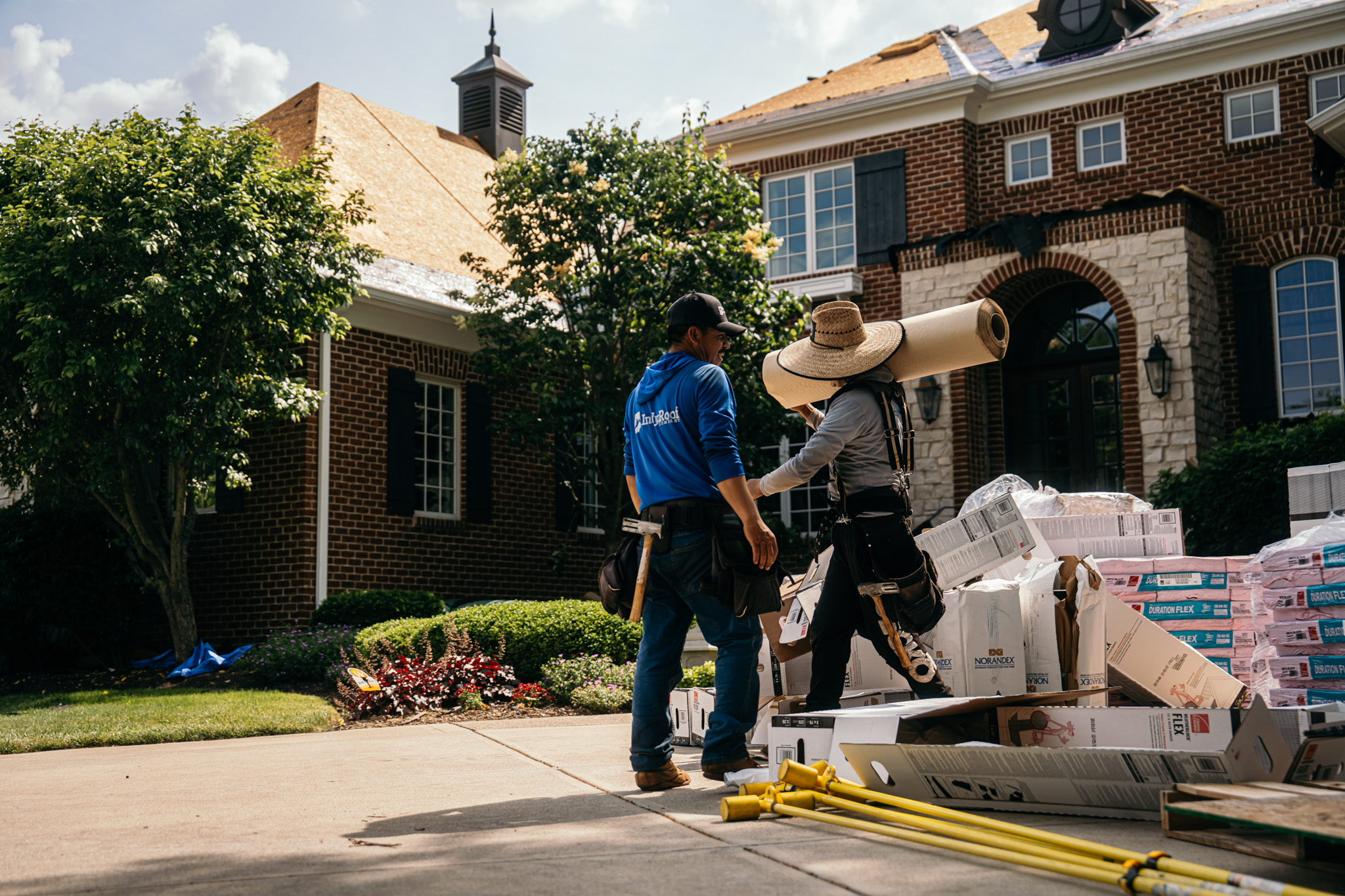
Problem: You Need It Done Before a Specific Date
Maybe you have an event, a closing, or a season change bearing down and you need the roof finished by a certain day. The install itself is short, but the whole project includes permits, material delivery, and scheduling lead time, so the binding constraint is usually getting on the crew's calendar, not the work itself. The fix is to start early and tell the Chalmers contractor your deadline upfront. They can tell you honestly whether it is achievable, prioritize the scheduling, and order materials promptly. Building in buffer for possible weather delays is wise too. Given a realistic lead time, a straightforward asphalt roof is very achievable on a deadline, as long as you do not wait until the last minute to begin.
Problem: Rain Keeps Pushing Your Install
You are scheduled, then a wet stretch hits and the start date slips, which is frustrating when you are ready to be done. The reality is that roofers cannot install properly in the rain and will not leave a roof open to a storm, so weather delays protect your home even when they test your patience. The fix is to expect some flexibility, especially in a rainier Chalmers season, and to trust a contractor who reschedules around weather rather than one who pushes ahead recklessly. A delayed start beats a roof installed in poor conditions that leaks later. Keeping the timeline a little loose, and choosing a crew that communicates about the forecast, makes the weather far less stressful.
Problem: You Chose Metal or Tile and It Is Taking Longer
You picked a premium material for its lifespan and looks, and now the install is stretching well past the couple of days an asphalt roof would have taken. That is expected, since metal, tile, and slate are more time intensive to install because of precision, weight, and piece by piece placement. The longer install is part of the tradeoff for a roof that can last decades longer. The fix is to plan for it from the start by asking the Chalmers contractor for the realistic install duration for your chosen material, which can be several days to a couple of weeks. Knowing the timeline upfront turns a longer project into an expected part of the upgrade rather than a frustration partway through.
Problem: You Are Living in the Home During the Work
Most homeowners stay in the house during a roof replacement, and the noise, vibration, and activity can be a lot for a day or two, especially with people working from home, small children, or pets. The work is genuinely disruptive while it happens, even though it is brief. The fix is to prepare for the install days rather than be surprised by them. Plan to be out during the loudest hours if you can, move vehicles to keep the driveway clear, keep pets and kids inside and away from the perimeter, and secure fragile items in the attic since vibration can shake things loose. With a little planning, a Chalmers household can ride out the short disruption comfortably and enjoy the finished roof.
Problem: The Crew Found Rotted Decking
The tear off is underway and the crew discovers soft, rotted decking that has to be replaced, adding time and cost you did not fully expect. This is common, and it is the right call, because new roofing over bad wood will not hold and would fail early. The trouble is that the extent of decking damage often cannot be known until the roof is opened. The fix is to ask, before the project starts, how the Chalmers contractor handles decking replacement and what it costs per sheet, so you are prepared if some is needed. A reputable contractor flags the possibility in the estimate and shows you the damaged wood. Treating it as a normal contingency rather than a surprise keeps the project on track.
Problem: Your Roof Is Bigger or More Complex Than You Thought
You expected a one day job and learned the roof will take three, because it is larger or more cut up with valleys, dormers, and steep pitches than a simple gable roof. Complexity and size genuinely drive the timeline, since every valley and penetration needs careful detail work and a steep roof is slower to work on safely. The fix is to get a clear timeline from the Chalmers contractor upfront, based on your specific roof rather than a generic average. A walkthrough of the roof's features explains why the estimate is what it is. Knowing the realistic duration in advance lets you plan around the right number of days rather than being caught off guard when the work runs longer.
Problem: Your HOA Has Requirements
Your neighborhood has a homeowners association that restricts roofing colors or materials, or requires approval before work begins, and you worry it will hold up the project. HOA approval is a real step that sits in the pre install timeline alongside permits, and skipping it can cause problems. The fix is to check your HOA rules and submit any required approval early, before scheduling the install, so it does not become the bottleneck. A Chalmers contractor experienced with local neighborhoods can often tell you what is typically allowed and help you choose a compliant material and color. Handling the HOA step upfront keeps it from delaying a project that is otherwise ready to go. Rather than assuming a fixed duration, asking the contractor what to expect for your home gives you a clear sense of the schedule. A professional who has assessed your roof can explain how long the work should take and what factors might affect it. Planning around a realistic timeline, with a professional's guidance, helps the replacement go smoothly for your home. For a clear sense of how long your roof replacement will take, a measured assessment from a reputable roofer is the dependable guide. The timeline for a given home depends on factors like the roof size, the complexity of the job, the material, and the weather, so a professional can give you a realistic estimate for your situation. Because conditions can shift the schedule, a reputable roofer keeps you informed about the expected timing and any adjustments along the way. Rather than assuming a fixed duration, asking the contractor what to expect for your home gives you a clear sense of the schedule.
Problem: You Want to Coordinate Other Work With the Roof
You are planning to add solar, replace gutters, or install new skylights, and you are not sure how that fits with the roof replacement timeline. The smart move is to sequence these together, since some are far easier to do while the roof is being worked on or right after it is finished. The fix is to tell the Chalmers contractor about the other projects upfront so the timing can be coordinated. New gutters often pair naturally with a roof job, and a roof installed with future solar in mind can save trouble later. Planning the sequence in advance prevents a situation where freshly installed work has to be disturbed, which would add time and cost that a little coordination would have avoided.