What Your Closing Paperwork Actually Tells You
Before you climb anything or call anyone, dig through the stack of documents your title company handed over. Sellers in Chalmers are required to disclose known defects, and that disclosure form often mentions roof age, past leaks, or recent repairs. If the seller said the roof was replaced in 2019, find the receipt or the permit. A real replacement should come with a manufacturer shingle warranty (often 25 to 50 years on the material) and ideally a workmanship warranty from the contractor that installed it. Manufacturer warranties on shingles like Owens Corning or Malarkey products are usually transferable to the new owner if you register the transfer within a set window, sometimes 30 or 60 days from closing. Miss that window and you may forfeit coverage that was sitting there waiting for you. If the previous homeowner used a contractor who is still in business, call them. Ask whether the workmanship warranty transfers, what was actually installed, and whether the home has any open punch list items.
If the paperwork is thin or contradictory, that is your first signal. A roof with no documented history is a roof you have to evaluate from scratch. That is not a crisis, but it does change the timeline. You want eyes on it sooner rather than later, ideally before the first hard freeze or the first spring thunderstorm of your ownership. It is also worth pulling your county's permit records online, since most Chalmers counties have searchable databases that can confirm whether a roof permit was actually filed for the address. A seller who claimed a 2019 replacement but has no permit on file may have meant a partial repair, or may have used a contractor who skipped the permitting step entirely. Either way, knowing the truth before you spend money planning around the wrong assumption saves real heartache later.
Getting an Honest Read on the Roof You Just Bought
This is where a dedicated roof evaluation matters more than a generic home inspection. A roofer is going to look at granule loss in the gutters, the condition of the pipe boots and step flashing, nail pops, sealant failure around the chimney, attic ventilation, and any soft decking underfoot. In Chalmers, hail and high winds are the two issues that quietly age a roof faster than the calendar suggests. We schedule free inspections for new Chalmers homeowners specifically because so many of these calls turn into a simple report that says the roof has eight or ten good years left, here is what to watch. If your roof does not need replacement, we will tell you. That is the whole point. Walking away with a clear baseline, even one with photos and a few notes, is worth more than a guess.
When the inspection does turn up something, it usually falls into one of three buckets. The first is normal aging, where you might budget for a few years out and tackle small fixes now. The second is targeted roof repair work, things like a cracked boot, a stretch of failed flashing, or a section of shingles that took wind damage. Those are straightforward and not expensive in the grand scheme of a home purchase. The third bucket is storm damage that predates your ownership but might still be claimable, depending on your insurance carrier and how recently the event occurred. Chalmers has had several significant hail events in the last few years, and we have helped homeowners document damage that was missed during the sale. If that situation comes up, our team can walk you through storm damage insurance claims and explain what your adjuster will and will not cover.
The attic is the part of the inspection most homeowners skip, and it is often where the real story lives. We look for daylight at the ridge, dark staining around nail penetrations, compressed or wet insulation, and signs of past leaks that may have dried but left a record behind. Bathroom and kitchen exhaust fans that vent into the attic instead of through the roof are surprisingly common in older Chalmers homes and create moisture problems that get blamed on the roof itself. Catching that during your first inspection lets you fix the cause, not just the symptom.
Building a Realistic First-Year Plan
You do not need to do everything at once. A good first year roof plan for a Chalmers home looks something like this in narrative form. In the first month, get the inspection done and file the report somewhere you will find it later. In the first season, handle any small repairs that came up, especially anything involving water entry, because a $400 flashing fix in October prevents a $4,000 ceiling and insulation problem in February. Before winter, clean the gutters and check that downspouts are pulling water away from the foundation, since ice dams form fastest where drainage backs up. In spring, walk the property after the first big storm and look for shingle pieces in the yard, dented gutters, or scuffed downspouts. Those are the visible markers of a hailstorm worth investigating.
If your inspection revealed a roof in the back third of its life, start the budget conversation now. A typical asphalt roof replacement in Chalmers runs in a range that depends on square footage, pitch, layers being torn off, and material grade. Knowing roughly where you sit two or three years before you need to act prevents the panic decision that leads people to take the cheapest bid from a door knocker after a storm. We would rather help you plan than help you react. It also helps to have a conversation with your insurance agent during that same window, because policies vary widely on whether they pay actual cash value or full replacement cost on an aging roof, and some carriers have started excluding cosmetic hail damage entirely on roofs over a certain age.
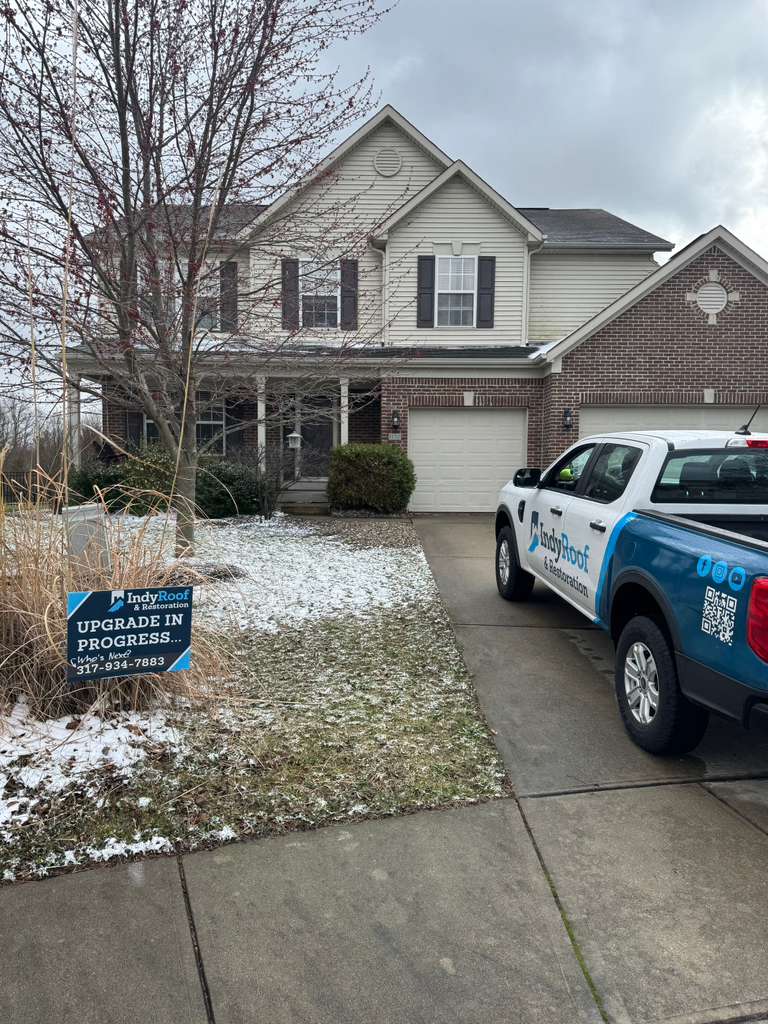
One more thing worth saying directly. If a contractor showed up uninvited the week after you moved in and offered to inspect your roof for free, be careful. Chalmers sees a wave of out of state crews after every hail event, and they target new homeowners specifically because new owners do not yet know who to trust. Ask any roofer for their Chalmers address, their BBB rating, their manufacturer certifications, and references from neighbors. A legitimate local company will hand those over without hesitation and will not pressure you to sign anything on the spot. Chalmers Roofing carries an A+ BBB rating, Owens Corning Preferred status, and Malarkey certification, and we are happy to point you toward homes we have done in your zip code so you can see the work before you ever pick up the phone.
The value of doing all this early is that it lets you build a real first year plan from facts instead of guesses. Once you know the roof's true age, condition, and any issues hiding behind a clean inspection report, you can decide deliberately what to handle now, what to budget for, and what can wait, rather than being surprised by a leak in month eight. A Chalmers homeowner who starts from an honest baseline is never caught off guard by the roof, because the unpleasant surprises have already been found and scheduled. That baseline is the difference between owning the roof and being owned by it, and it costs little more than an inspection and an afternoon with your closing file.